Cryptocurrency and separation in Malta: what happens to digital assets?
How cryptocurrency is treated in a separation or divorce in Malta: ownership, disclosure under the 2026 reform, records, protecting assets and settlement terms.
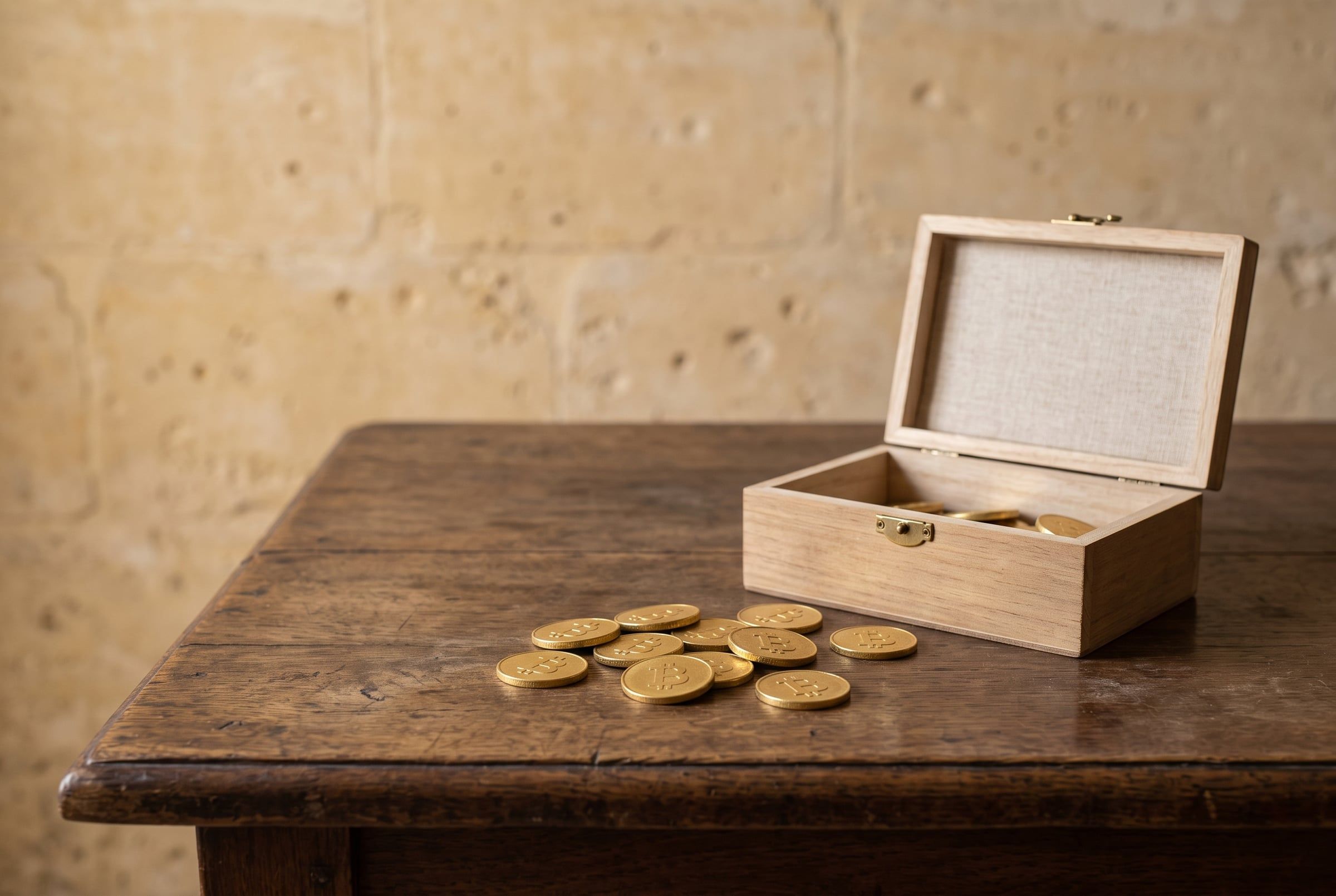
When a marriage ends in Malta, cryptocurrency needs to be considered alongside the family’s other assets. Whether it is a small Bitcoin investment or a substantial holding, the questions are much the same: what is there, who is entitled to it, and how should it be dealt with?
You do not need to understand the technology to recognise the legal issues. The important starting points are clear information about the assets and advice on the rules that apply to your marriage.
What counts as cryptocurrency or a digital asset?
Cryptocurrencies, such as Bitcoin and Ether, are digital assets that people can buy, hold and transfer. Some people use an online trading platform, known as an exchange. Others use a digital wallet that allows them to manage their holdings directly.
The enquiry may also cover valuable digital collectibles, known as NFTs, or arrangements that generate additional cryptocurrency. Shares in a business involved in cryptocurrency are another type of asset and should be identified separately.
For separation purposes, the first task is to establish what a spouse owns, where it is held and what records are available. (Source: Malta Financial Services Authority, warning on crypto-assets.)
Does cryptocurrency have to be shared?
That depends on the matrimonial property rules that apply to the couple and how the assets were acquired.
Many couples in Malta are married under the community of acquests. Broadly, this brings assets acquired through work and certain other acquisitions during marriage into a common pool. Keeping an investment in one spouse’s name does not, by itself, make it that spouse’s separate property.
For example, cryptocurrency bought with earnings during marriage will generally form part of the community. Cryptocurrency already owned before marriage may be separate property. The records need to show when and how it was acquired.
Using inherited, gifted or premarital money to buy cryptocurrency also needs careful attention. Under Maltese law, the new purchase may enter the community while the spouse retains a right to deduct the money used to acquire it. It should not simply be assumed that everything bought with inherited money remains separate.
Community assets and liabilities are generally divided equally, subject to the applicable legal exceptions and claims. Couples who have chosen another matrimonial regime, or whose marriage involves more than one country, need advice on which rules apply.
Useful questions include:
- Was the cryptocurrency acquired before or during marriage?
- Where did the money used to buy it come from?
- Has it since been sold, exchanged or moved?
- Have additional holdings or payments been received from it?
Moving out of the family home does not, by itself, end the community of acquests. The legally relevant dates need to be established. If property has already been dealt with in a separation agreement or judgment, a later divorce does not automatically provide a fresh opportunity to divide it.
What must be disclosed under the 2026 reform?
Disclosure means giving the required information about assets, debts and income. Cryptocurrency should be included where it falls within those requirements, even if a spouse believes it belongs to them separately.
The new rules that took effect on 1 October 2026 require the spouse starting separation proceedings to file a sworn statement with the initial separation letter. This must list the relevant assets, debts and other financial interests, including community and separate property and the matrimonial home, to the best of that spouse’s knowledge.
The spouse must also provide official income documents for the preceding three calendar years and proposals about property and family arrangements. If the income documents are unavailable, a sworn declaration is required.
The other spouse is notified and directed to respond to the proposals within 20 days, providing counter-proposals and the corresponding information and documents where applicable.
Disclosing an asset does not mean accepting that the other spouse is entitled to half of it. It allows ownership and entitlement to be considered with the necessary information available.
What records might be needed?
The detail required will differ between couples. A straightforward investment in one account may need fewer records than substantial holdings spread across several platforms or businesses. The legal filing requirements and any court directions must still be followed.
This checklist is illustrative. It is not a fixed list that every spouse must produce. The wider document checklist is in the guide to financial disclosure in a Maltese separation.
| What needs to be explained | Records that may help |
|---|---|
| What is owned and where it is held | Account statements, the names and quantities of the cryptocurrencies, and details of relevant wallets or platforms. |
| When and how it was acquired | Purchase records and bank statements showing the money used. |
| Why it is said to be separate property | Records of ownership before marriage, gifts or inheritance, and later purchases using those funds. |
| What has happened to it | Records of sales, exchanges and transfers, with explanations of significant transactions. |
| Its value and any restrictions | A dated value, its source, and information about difficulties selling or withdrawing the holding. |
| Missing records or lost access | Correspondence with the platform and evidence of steps taken to obtain records or recover access. |
The three-year period for income documents does not mean every cryptocurrency account requires exactly three years of transaction records. A particular purchase or transfer may require records from a different period.
If information is missing, explain what is unavailable and why. Saying that an account is closed or empty may still leave questions about what it held previously.
Passwords and the secret codes used to access a wallet require special care. These are different from ordinary account records and should not be casually included in a document bundle. (Source: Malta Financial Services Authority, warning on crypto-assets.)
What if you think your spouse has not disclosed everything?
Start with the information you lawfully have. A bank transfer to a cryptocurrency platform, for example, may provide a reason to ask about the account and what happened to the money.
Your lawyer can advise on requesting relevant records and, where necessary, asking the court for directions. Overseas platforms can make obtaining information more complicated. Accessing another person’s accounts or devices without authority is not an appropriate way to investigate.
An English case illustrates why both clear disclosure and reliable evidence matter. In DH v RH (No 3) [2024] EWFC 79, the court criticised shortcomings in the husband’s disclosure of cryptocurrency and related investments. However, it rejected the wife’s much larger claim of hidden cryptocurrency because the evidence did not establish it.
The practical lesson is to pursue specific questions supported by records. Incomplete information needs to be addressed, but suspicion alone does not prove that assets have been concealed.
What if assets could be moved before matters are resolved?
Seek legal advice promptly if there is evidence that assets may be moved or spent to undermine your rights. Keep any records lawfully available to you, including details of the transaction or threatened transfer.
It may be possible to ask the court for temporary protection during mediation or court proceedings. The court will need to consider the legal right being protected and the evidence supporting the application. Protection is not automatic simply because cryptocurrency is involved.
How the asset is held matters. An online platform may be able to act on an appropriate order, while a privately controlled wallet may have no company capable of stopping a transfer. Assets held abroad may require further legal steps.
How should value and risk be approached?
A statement that cryptocurrency is “worth €20,000” is incomplete without the quantity held, the date and the basis of that figure. Prices can change, and an estimated value may differ from the amount available after a sale.
It also matters whether the asset can actually be sold or withdrawn. Some holdings are restricted, and others may be difficult to sell. The settlement terms should address these practical issues.
The English appeal in Culligan v Rosemin-Culligan [2026] EWCA Civ 948 illustrates the point. The family’s wealth came partly from Bitcoin, but the disputed allocation included a substantial private-company investment. The original division appeared broadly equal in value, yet left the husband carrying much more uncertainty and difficulty turning assets into cash. The Court of Appeal changed the allocation.
The lesson is straightforward: two assets with the same stated value may be very different in practice. English decisions provide useful examples. The outcome in a Maltese case will depend on the property rules that apply to that couple.
Cryptocurrency may also be relevant to maintenance through a spouse’s income and means. The value of the investment and any income it actually produces should be identified separately.
Where a valuation, financial assessment or technical investigation is needed, that work should be carried out by an appropriately qualified professional. The lawyer advises on the legal issues and settlement terms.
How can the settlement deal with cryptocurrency?
Depending on the spouses’ legal entitlements and what they agree, a settlement might provide for:
- A transfer of an agreed quantity of cryptocurrency.
- A sale, followed by division of the proceeds.
- One spouse keeping the cryptocurrency, with the other receiving an appropriate share of other assets.
The terms need to say exactly what is to happen. Which holdings are covered? When must the transfer or sale take place? Which value or date will be used? Who pays the fees, and how will completion be confirmed?
A promise to transfer “half the crypto” can leave important questions unanswered. Clear terms help avoid a further dispute, especially if prices change before the agreement is carried out. Any relevant tax consequences require suitable specialist advice.
What if cryptocurrency is discovered after the settlement?
A later discovery does not automatically reopen the settlement. The available options depend on whether the property issues were resolved by agreement or judgment, what was disclosed, and whether there are legal grounds to challenge the outcome.
Maltese law provides rules concerning fraud or concealed documents in a compromise, and separate rules govern challenges to final judgments. Deadlines may apply.
Seek advice promptly and bring the agreement or judgment, the earlier disclosure and the new evidence. An asset concealed at the time of settlement raises a different issue from an asset that was properly disclosed and later increased in value.
How The Family Law Practice can help
The Family Law Practice can advise on who is legally entitled to cryptocurrency assets, the disclosure required, applications to protect assets and the terms of a separation or divorce settlement.
The advice and supporting documents should reflect the couple’s circumstances. Lawyers do not provide investment advice or carry out financial assessments or valuations. Where those services, technical tracing or specialist tax advice are needed, appropriately qualified professionals should undertake that work.
A conversation about your own circumstances is the right first step.
Last reviewed on 12 October 2026. The law changes, so please check the current position with an advocate before acting.
This article gives general information and is not advice on your own situation.