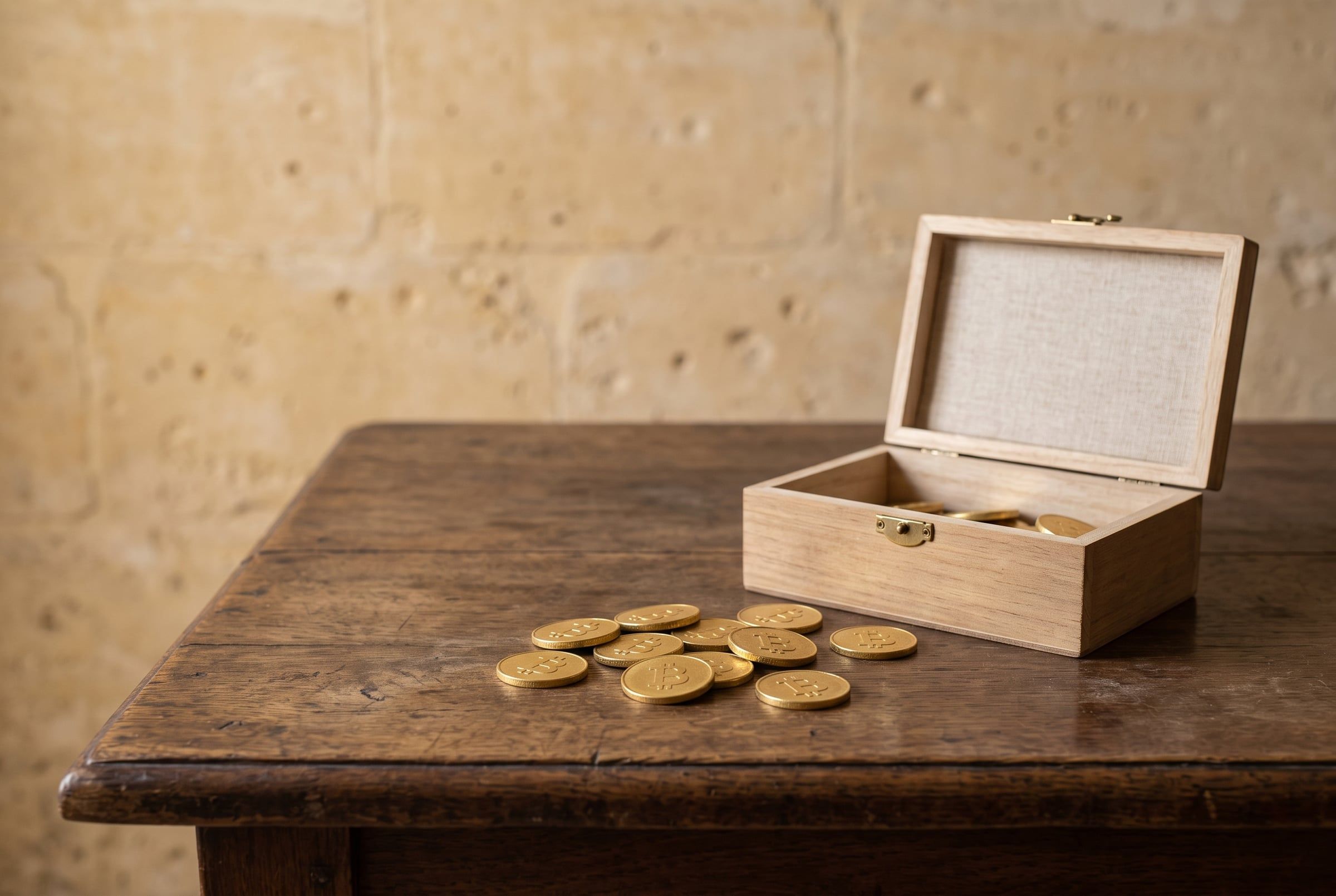
Cryptocurrency and separation in Malta: what happens to digital assets?
How cryptocurrency is treated in a separation or divorce in Malta: ownership, disclosure under the 2026 reform, records, protecting assets and settlement terms.

How a contested separation works, from first application to judgment.

A separation is contested when one spouse applies to the court and the other does not agree, either to the separation itself or to what should follow. This page walks through how it works. Article numbers refer to the Civil Code, and “regulations” refers to the Family Court Proceedings Regulations, 2026.
The spouse who applies must rely on a ground set out in the law: adultery, excesses, cruelty, threats or grievous injury (or that the marriage has irretrievably broken down), or desertion for two years or more (articles 38, 40 and 41). See personal separation for the detail.
You do not have to wait for the end of the case.
You must have a ground to ask for a separation. If the court finds that one spouse gave cause for the separation through adultery or desertion, that spouse can lose certain rights, including a share of assets built up mainly through the other’s work, gifts received from the other, and the right to demand maintenance. In cases of excesses, cruelty, threats or grievous injury, the court has a discretion to apply these consequences. If both spouses had grounds, the court decides whether to apply them to both, to one, or to neither (articles 48, 51 and 52).
Whether to contest, and on what, depends on your family’s circumstances. We can go through the grounds, the evidence you would need and the likely stages, and help you consider whether an agreement is possible. There is no obligation to continue after a first conversation.
Last reviewed on 11 October 2026. The law changes, so please check the current position with an advocate before acting.
How cryptocurrency is treated in a separation or divorce in Malta: ownership, disclosure under the 2026 reform, records, protecting assets and settlement terms.

How to recognise domestic violence in Malta, where to find help, and how protection orders, your home, children and separation are dealt with under Maltese law.

What financial disclosure involves in a Maltese separation, what must be filed at the start, and an illustrative checklist of documents to gather for your lawyer.

Malta’s Court of Appeal treated compensation for a surrendered bus and licence as separate property, but repaid only the part shown to have benefited the family.

Malta’s Court of Appeal confirmed that one proven act of violence can justify personal separation. A spouse need not wait for it to be repeated.
This page gives general information. If something here applies to you, send us a few lines and we will get in touch.