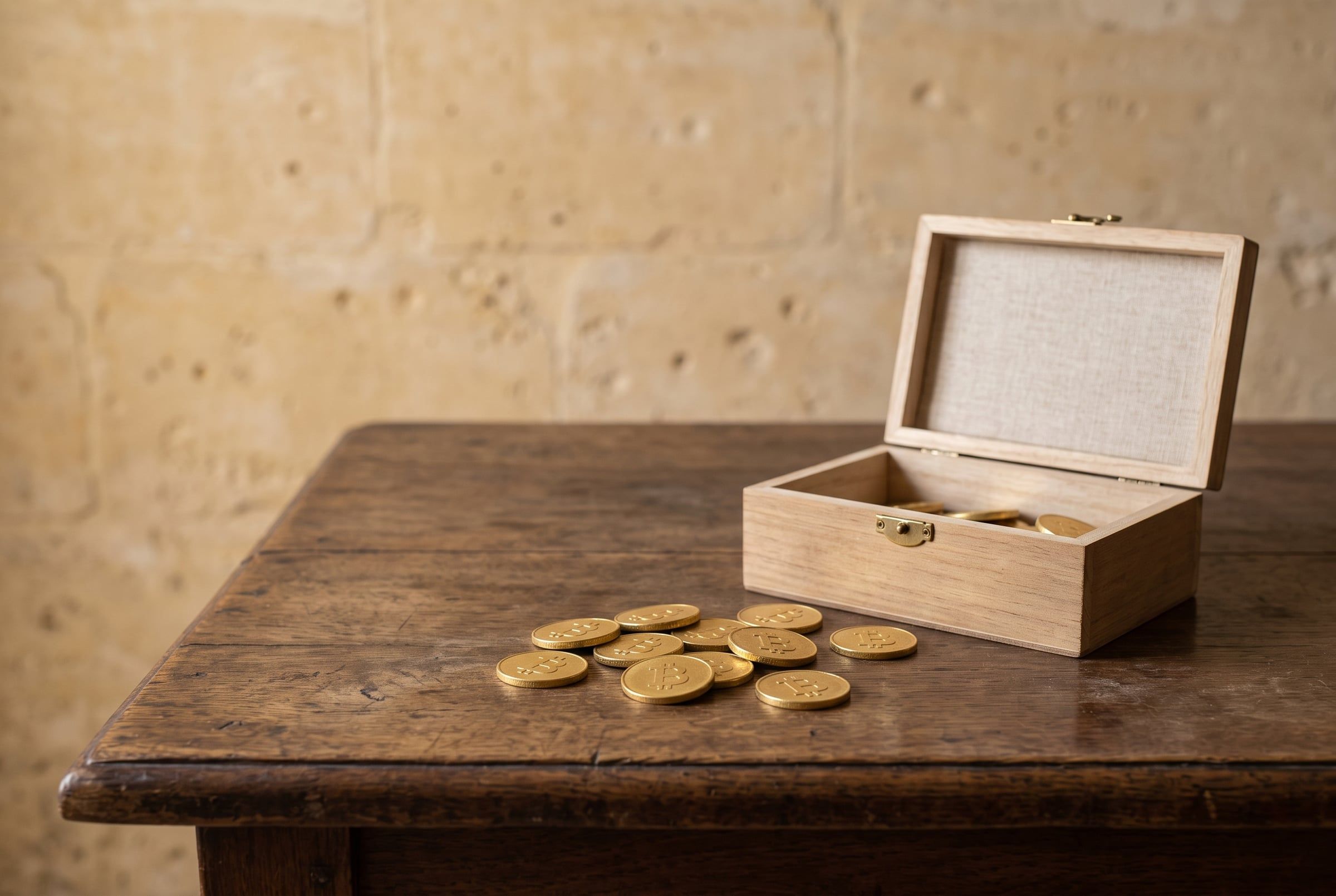
Cryptocurrency and separation in Malta: what happens to digital assets?
How cryptocurrency is treated in a separation or divorce in Malta: ownership, disclosure under the 2026 reform, records, protecting assets and settlement terms.

Separation by public deed or through the courts, and where mediation fits in.

Personal separation lets a married couple end their shared married life without ending the marriage. This page explains the basics in plain language. The pages in this section go into more detail. Article numbers refer to the Civil Code.
A spouse can demand separation on any of these grounds:
Separation can also be agreed between you. See separation by public deed.
You are still married, so you cannot marry anyone else. You can reunite at any time, and living together again voluntarily restores the obligations of married life, including maintenance (articles 63 and 64).
Neither choice is right for everyone. Many couples choose one over the other for personal, financial or religious reasons. If you separate first, you can apply for divorce later, on the basis that you are already separated. Our page on divorce explains the other route.
Last reviewed on 8 October 2026. The law changes, so please check the current position with an advocate before acting.
How cryptocurrency is treated in a separation or divorce in Malta: ownership, disclosure under the 2026 reform, records, protecting assets and settlement terms.

How to recognise domestic violence in Malta, where to find help, and how protection orders, your home, children and separation are dealt with under Maltese law.

What financial disclosure involves in a Maltese separation, what must be filed at the start, and an illustrative checklist of documents to gather for your lawyer.

Malta’s Court of Appeal treated compensation for a surrendered bus and licence as separate property, but repaid only the part shown to have benefited the family.
A Maltese court dismissed a separation and divorce claim after finding an earlier marriage made the later one void. Why the remedy sought matters.
Malta’s Court of Appeal confirmed the community of acquests can end during a separation case without erasing claims over assets already acquired.
This page gives general information. If something here applies to you, send us a few lines and we will get in touch.