
Children when the parents were never married: parenting, maintenance and legal rights in Malta
Unmarried parents in Malta: how parentage, parenting arrangements, child maintenance and the Family Court work when a child’s parents were never married.

How access is arranged and enforced, and what the court can order.
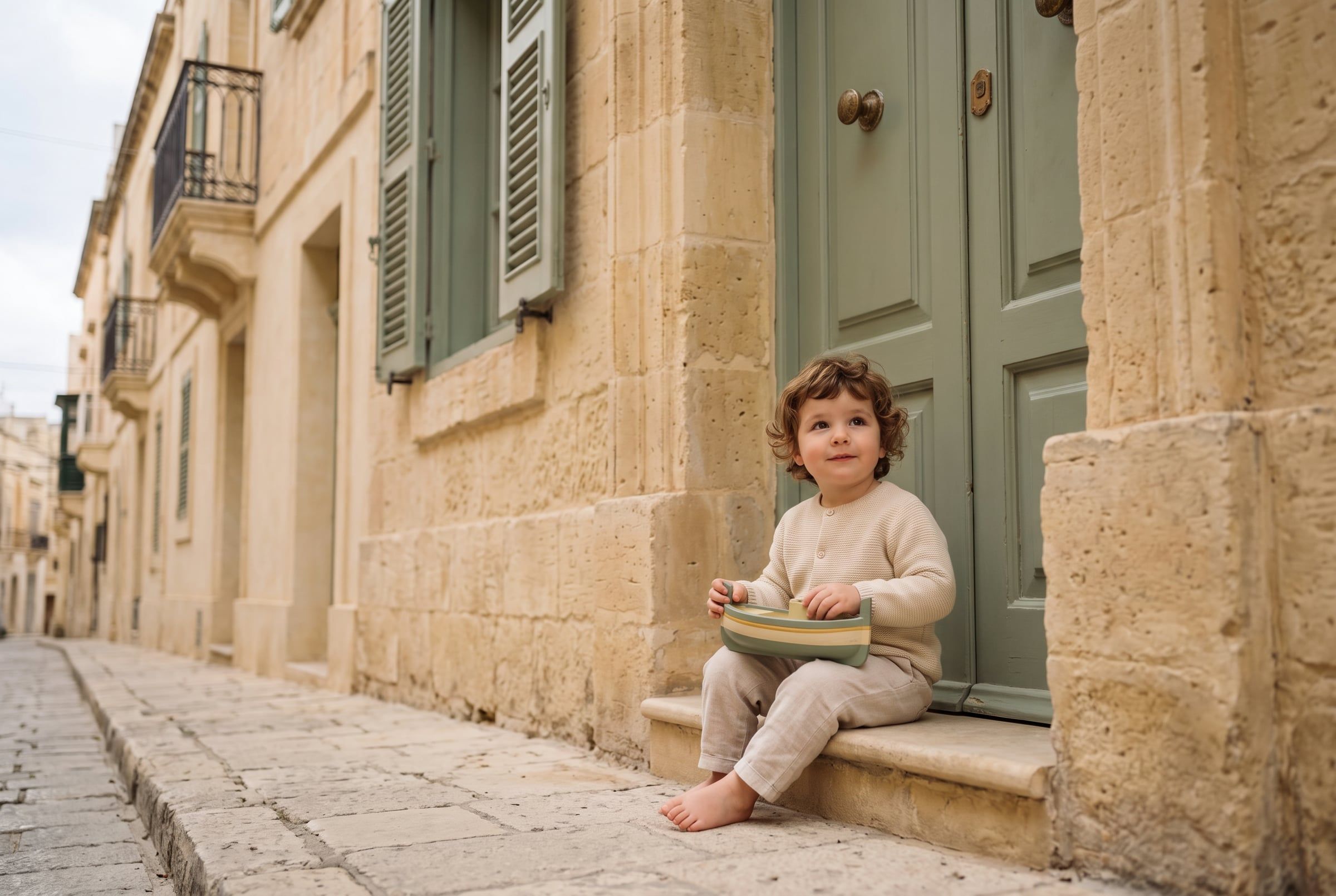
Access is the time a child spends with a parent they do not live with. This page explains how it works in Malta. Article numbers refer to the Civil Code unless stated, and “regulations” refers to the Family Court Proceedings Regulations, 2026.
Whoever the children live with, both parents keep the right to watch over their maintenance and education, and remain bound to contribute to them (article 57). The court decides the time, place and manner of access according to the circumstances (article 57). In the meantime, while a case is going on, the court decides access at the request of either parent, with the children’s best interests in mind (regulation 32).
Parents can also agree arrangements between themselves, through mediation. If you reach agreement on access, you file a joint application and the court, once satisfied that the agreement is fair and in the best interests of everyone, issues a decree (regulation 28).
The right of access also creates an obligation. The parent who asked for access, or who has been given it, is obliged to exercise it, and the other parent is obliged to provide it (regulation 32).
The court can entirely forbid access to minor children where it would be detrimental to their welfare or to the welfare of one of the parents (article 57). The right of a parent to watch over their children’s maintenance and education can also be suspended if exercising it would put the children or the other parent at risk of harm (article 57). Where there is evidence of domestic violence, the court may limit or deny access if it would put the children or the other parent at risk (article 47). It can issue protection orders, and an application where domestic violence is involved is heard within four days (article 37).
Whether you want more time with your children or are worried about contact, you can start with a conversation. We can explain what the court can order, and what to do if an order is not being followed.
Last reviewed on 8 October 2026. The law changes, so please check the current position with an advocate before acting.
Unmarried parents in Malta: how parentage, parenting arrangements, child maintenance and the Family Court work when a child’s parents were never married.

What parental authority, care and custody and access mean in Malta, how courts decide them and what happens when an order is not followed.
Malta’s family court refused grandparents contact with their grandchildren, finding their approach was about control, not respect for the parents’ boundaries.

Malta’s Court of Appeal increased a father’s contact and found no monthly maintenance was due between parents sharing care. What it decided.
This page gives general information. If something here applies to you, send us a few lines and we will get in touch.