
Children when the parents were never married: parenting, maintenance and legal rights in Malta
Unmarried parents in Malta: how parentage, parenting arrangements, child maintenance and the Family Court work when a child’s parents were never married.

What family mediation is, when it is required and how long it lasts.

Before a separation or divorce case can begin, the Family Court sends you to mediation. This page explains what that means. This is the court’s own mediation process, which is separate from voluntary mediation arranged privately.
A mediator is a trained neutral person from an official list. The mediator does not decide anything. The job is, first, to see whether you and your spouse can reconcile and, if you cannot, to help you reach an agreement on how to separate or divorce.
The spouse who starts the process files a sworn note listing their assets and liabilities, an income statement for the last three years (the FS3, or equivalent), and proposals on property, the children and maintenance. The other spouse must reply within 20 days with their own proposals.
You do not have to wait for the end of mediation to settle urgent questions.
If the mediator reconciles you, the court closes the case. If not, or if the time limit runs out, the mediator tells the court, and the court grants the authorisation to bring the case. If you have agreed to separate by agreement or to apply for divorce jointly, the draft goes to the court for approval.
Last reviewed on 11 October 2026. The law changes, so please check the current position with an advocate before acting.
Unmarried parents in Malta: how parentage, parenting arrangements, child maintenance and the Family Court work when a child’s parents were never married.

How to recognise domestic violence in Malta, where to find help, and how protection orders, your home, children and separation are dealt with under Maltese law.
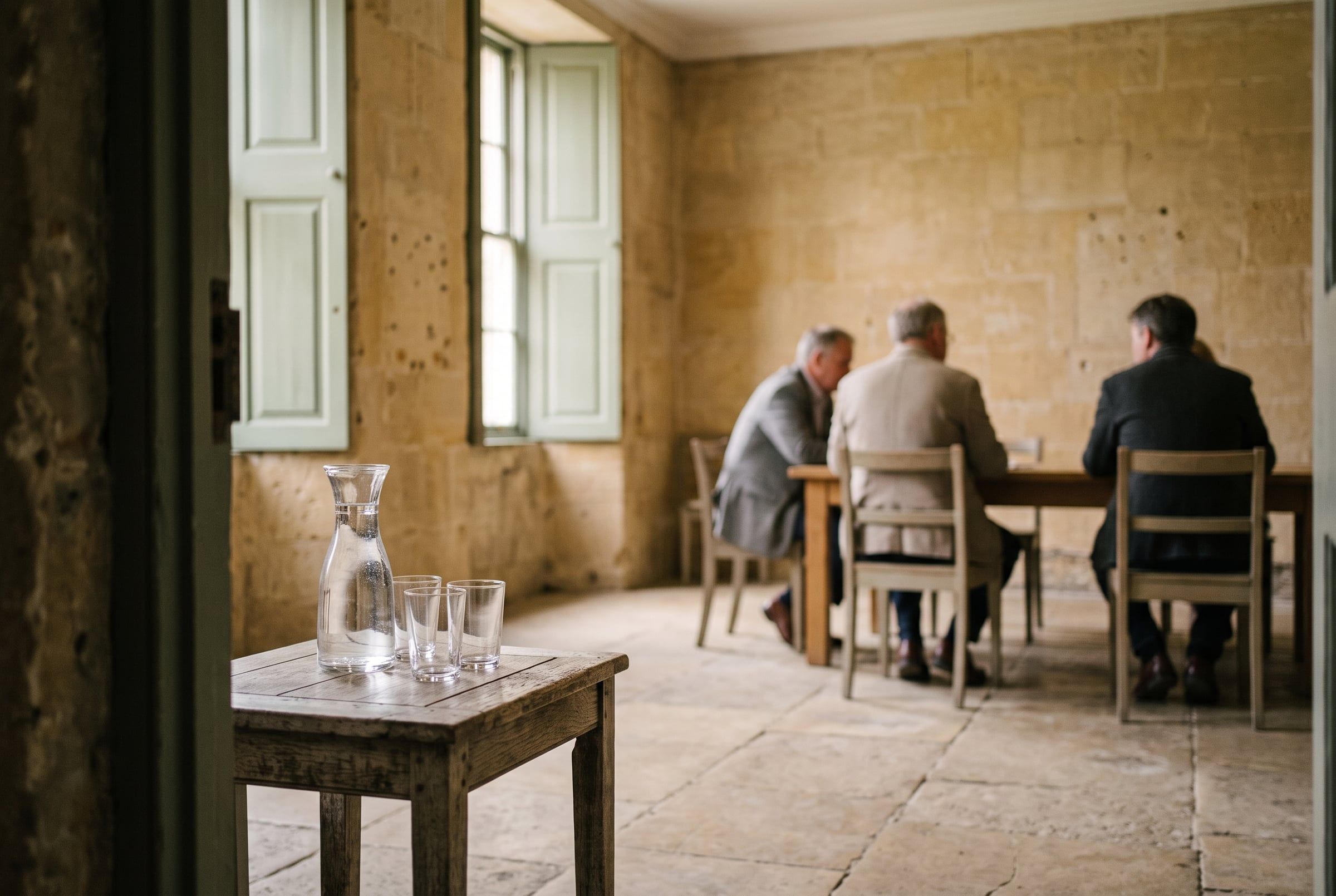
How court mediation works before a separation or divorce in Malta, what happens in sessions, and whether what you agree is binding.
This page gives general information. If something here applies to you, send us a few lines and we will get in touch.